Post Detail

Post Detail

July 17, 2026 in Featured

How to Build a Customer Loyalty Program That Actually Works With Your POS
POS and loyalty

How to Build a Customer Loyalty Program That Actually Works With Your POS

A customer loyalty program works best when it’s tightly connected to your point-of-sale system — not bolted on as a disconnected app. That means instant enrollment at checkout, real-time reward visibility, tiered rewards that reflect actual customer behavior, omnichannel consistency across online and in-store, AI-driven personalization, and secure, verified redemption. This guide breaks down each of these elements step by step, plus the specific metrics — repeat purchase rate, average order value, redemption rate, and visit frequency — that tell you whether your program is actually working.

Make Enrollment Effortless

The single biggest predictor of a loyalty program’s success is how many customers actually join it. If sign-up requires downloading an app, creating a password, and confirming an email, you’ll lose the majority of shoppers before they ever earn a single point.

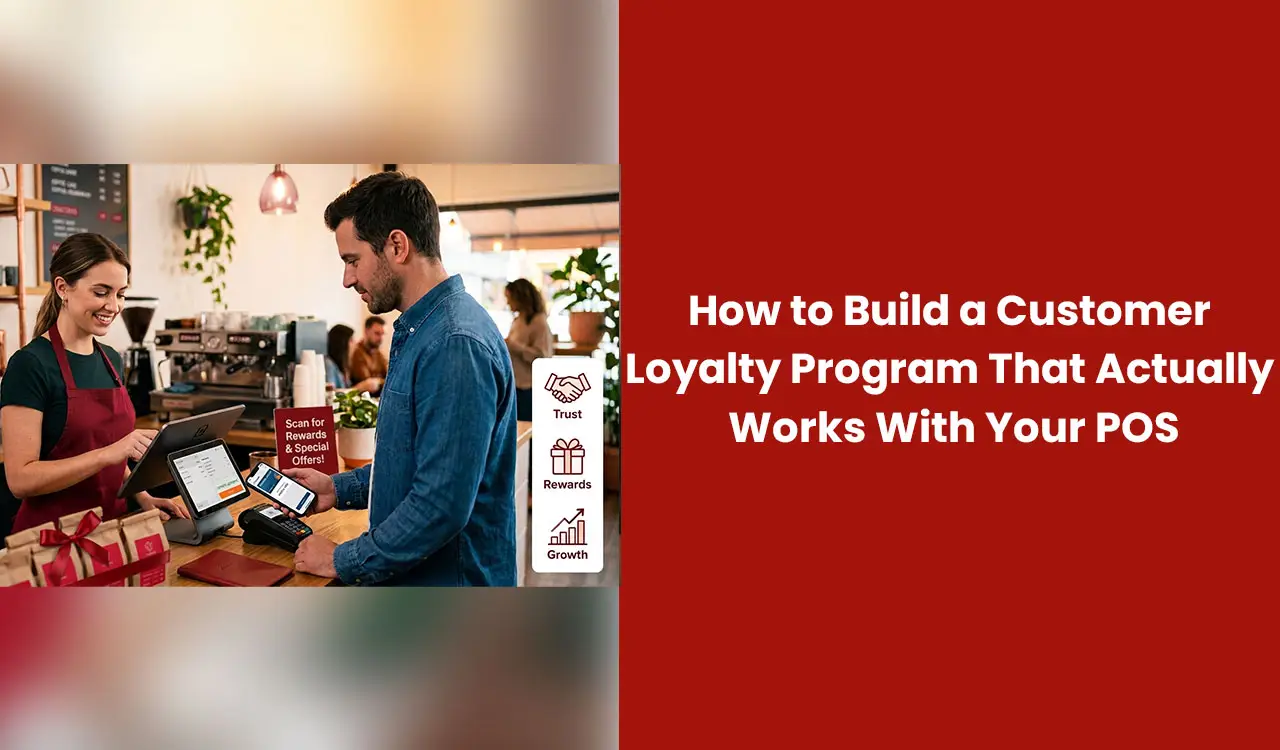
A POS-integrated program can capture a customer with just a name and phone number, right at checkout, in under ten seconds. From there, the customer’s profile — points, tier, and history — is available the next time they walk in, whether they’re buying online or in-store. This is the model platforms like OptCulture use with POS partners such as Inditech: loyalty enrollment and redemption happen inside the same transaction flow retailers already run, so there’s no separate app for the customer or extra login for the staff.

Reward Behavior, Not Just Spending

A points-per-dollar model is the default for a reason — it’s simple to explain and simple to track. But the most effective programs go further and use tiered rules to reward the specific behaviors that grow the business: referrals, reviews, repeat visits within a certain window, or purchases of high-margin items.

Your combined POS and loyalty data already shows which customers are one-time buyers and which are regulars on the edge of becoming loyal. Use that data to define tier upgrade and downgrade rules — a bonus for a third visit within 30 days, for example, targets the exact moment a browser turns into a habit. This is where an integrated system earns its keep: it’s not just processing sales, it’s surfacing the patterns that tell you which reward triggers actually change behavior.

Keep the Reward Visible and Immediate

Delayed gratification doesn’t work well in retail loyalty. If a customer has to wait weeks for a reward to show up, or has to remember to check a separate portal, the emotional payoff — and the reason to come back — evaporates. The best programs show progress in real time, right on a digital receipt or screen: “You’re 2 purchases away from $10 off.”

Digital, paperless receipts sent by email, SMS, or WhatsApp make this immediacy possible without printing a physical card or forcing the customer into a separate app. A connected POS and loyalty platform can display balances instantly, apply rewards automatically at the register, and confirm redemptions securely — some platforms use an OTP verification step at checkout specifically to prevent points misuse and authenticate the transaction.

Train Staff to Sell the Program, Not Just Mention It

Even the best-designed loyalty program underperforms if the people at the register don’t mention it. Staff are often the single biggest lever for enrollment and engagement, but only if the tools make it easy for them. When the POS surfaces a customer’s loyalty status automatically, a cashier can mention a reward or upgrade in the moment, without needing to check a separate system first.

The goal isn’t a hard sell. It’s a natural, brief mention at the moment a customer is already paying attention: during checkout. Programs that rely on customers discovering a QR code or a sign near the door consistently underperform ones where the offer is made verbally, backed by a system that makes enrollment and redemption instant.

Use the Data to Personalize, Not Just Track

A loyalty program generates a goldmine of purchase history across every channel, but many businesses let that data sit unused. The real value comes from turning it into personalized offers: a birthday discount, a “we miss you” message after a period of inactivity, or AI-driven product recommendations based on past purchases.

Because an integrated loyalty and POS system already connects this data to real transactions — both online and in-store — personalization doesn’t require a separate analytics tool. You can segment customers by frequency, spend, or last-visit date, then trigger targeted campaigns across email, SMS, or WhatsApp without exporting spreadsheets or hiring a data analyst.

Measure What Matters

Enrollment numbers feel good, but they aren’t the metric that matters. The real question is whether loyalty members spend more, visit more often, and stick around longer than non-members. Track:

  • Repeat purchase rate among enrolled customers vs. non-enrolled
  • Average order value for loyalty members over time
  • Redemption rate — are rewards actually being claimed, or expiring unused?
  • Time between visits, and whether it’s shrinking for loyal customers, or churn is increasing

A POS and loyalty platform with unified reporting makes these numbers visible without extra software, so you can adjust reward thresholds, tiers, or messaging based on what’s actually happening — not guesswork.

Bringing It All Together

A loyalty program that works isn’t a separate initiative running alongside your business — it’s woven into how your business already operates, from the register to your marketing campaigns. Tightly integrated with your POS, it removes friction at every step: enrollment takes seconds, rewards show up automatically, staff have an easy way to promote it, and purchase data flows into personalized, omnichannel campaigns instead of sitting in a dashboard no one checks.

If you’re evaluating a POS system or a loyalty platform, ask how deeply the two actually connect — whether customer profiles, points, and redemption sync in real time across every channel. That distinction determines whether your program becomes a habit your customers actually use, or another card in the junk drawer.


Experts

Optimize Retail with Dubai’s Top IT Company

Interested to learn more?

[tawkto]
By browsing this website, you agree to our privacy policy.
I Agree
×